Chinese Electronic Scale and Measuring Instrument Factory

2026 Trends in the Household Scale Export Market: Coffee Scales and Jewelry Scales Lead the Way in Cross-Border Trade
According to the latest market data from 2026, coffee scales and jewelry scales have indeed become popular categories in the cross-border e-commerce market for household weighing instruments. This trend is driven by a combination of factors, including the growing popularity of specialty coffee culture, increasing demand for health and baking products, and the expansion of cross-border e-commerce channels. For cross-border sellers and international buyers currently selecting products, the market prospects and product selection strategies for these two categories warrant close attention. The following is a comprehensive analysis and trend interpretation based on industry reports and platform data.
Market Overview: Structural Opportunities Amid Steady Growth
Overall, the global market for household and portable electronic weighing instruments is experiencing stable and healthy growth, providing a favorable export environment for OEM/ODM suppliers of household scales.
Market Size: The global market for household electronic scales is projected to reach approximately $3.325 billion in 2025 and is expected to grow to $4.33 billion by 2032, representing a compound annual growth rate (CAGR) of 3.9%. Meanwhile, the broader portable electronic scale market (including jewelry scales, etc.) is valued at approximately $2.4 billion in 2024 and is projected to grow to $4.5 billion by 2035, with a CAGR of about 5.9%. Among these, smart coffee scales and high-precision jewelry scales are emerging as the two core categories driving growth.
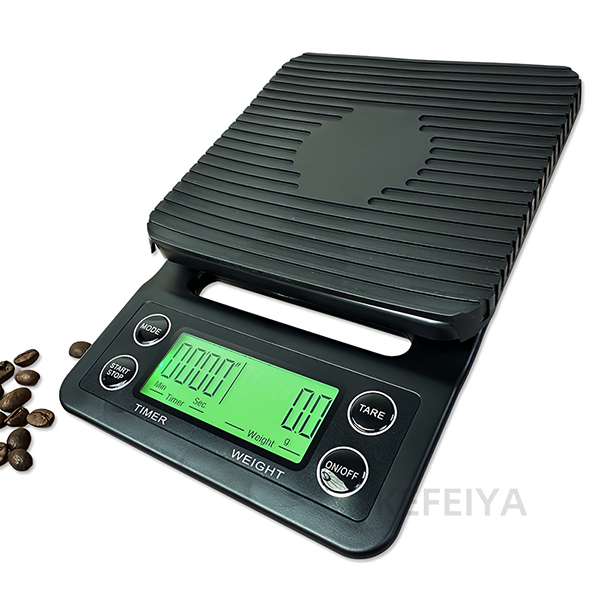
Coffee Scales: As a niche category, this segment is experiencing particularly strong growth momentum. Taking the Chinese market as an example, pour-over coffee scales (the primary form of smart coffee scales) experienced explosive growth in 2024 (with a CAGR of 58.7%); the market size is projected to grow from 1.85 billion yuan in 2025 to 4.3 billion yuan in 2030, at a CAGR of approximately 18.5%. This growth rate also reflects the tremendous vitality of the global electronic coffee scale market.
Jewelry Scales: As a key segment of portable scales, jewelry scales benefit from the vibrancy of the global luxury retail and secondhand recycling markets. With steady demand in specialized applications such as jewelry weighing and herbal medicine portioning, they are a standout product within the high-precision scale category that clearly demonstrates the “long-tail” effect.
Coffee Scales: The Logic Behind Their Rise from Tools to “Lifestyle” Must-Haves
The explosive popularity of coffee scales is no coincidence; they are a prime example of “consumption upgrading” combined with “technology empowerment,” and stand out as star products among current bestsellers in cross-border e-commerce.
Core Driving Force: The Globalization of Specialty Coffee Culture
The popularity of specialty pour-over coffee has made precise weighing of coffee beans and extraction a necessity, directly driving demand for pour-over coffee scales. For example, on the NOON e-commerce platform in the Middle East, electronic coffee scales with timers have become a bestseller, consistently selling over 100 units daily. By precisely addressing the weighing challenges of pour-over coffee extraction, they have become the go-to alternative to standard kitchen scales for local coffee enthusiasts.
Product Evolution Trends: Smart Features and Integration
High Precision: The accuracy of coffee scales has improved from ±1g to ±0.2g, with high-end jewelry scales and precision coffee scales reaching as high as ±0.01g, driving overall technological upgrades in high-precision electronic scales.
Smart Connectivity: The penetration rate of Bluetooth-enabled coffee scales and smart coffee scales that support app-based data logging is rapidly increasing, and is projected to rise from the current 15% to 30% by 2030. Bluetooth-enabled electronic coffee scales have become a significant product segment, highly favored by young consumers of consumer electronics.
Multifunctional Integration: The combination of weighing and timing functions has become standard on coffee scales, enhancing product practicality and added value while improving the cost-effectiveness of household scales.
Market Opportunities:
Regional Markets: Demand for coffee scales in Southeast Asia is growing at an annual rate of 12%, making it a blue ocean market worth watching; in the Middle East, seasonal purchasing peaks occur due to consumer habits such as Ramadan.
Channel Advantages: Cross-border e-commerce platforms (such as Amazon, NOON, and AliExpress) and social commerce (TikTok live streams) have become the primary sales channels for coffee scales and jewelry scales, with their market share rapidly increasing, providing efficient channels for foreign trade exports.
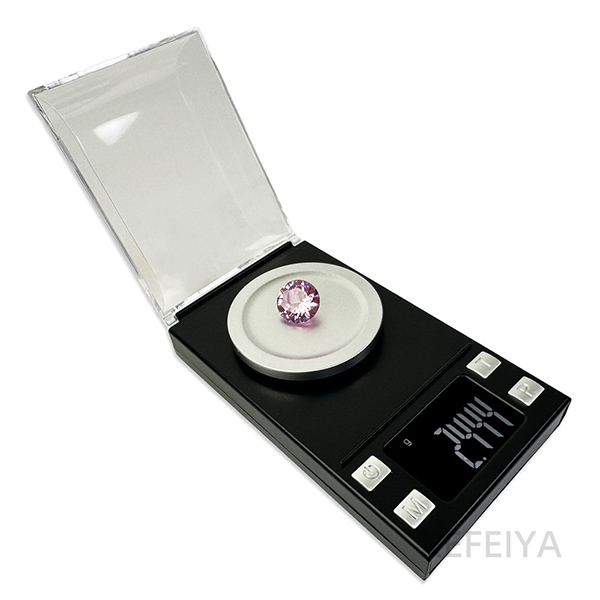
Jewelry Scales: Steady Demand for Precision and Portability
Compared to the culture-driven demand for coffee scales, the demand for jewelry scales is more specialized and stable, making them a category with a high repurchase rate among portable electronic scales.
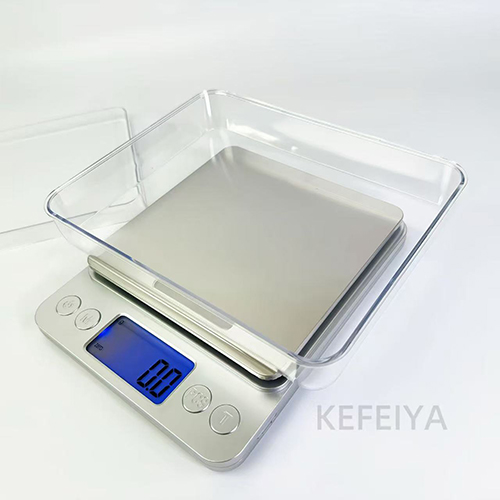
Core Requirements: High precision (0.01g accuracy) and portability are fundamental. These scales are primarily used for the precise weighing of small items such as jewelry, precious metals, herbal medicines, and collectibles, and are also a popular upgrade option for many baking scale users.
Market Performance: In retail, high-precision jewelry scales are often bundled with kitchen scales, baking scales, and other categories, indicating clear market demand. On cross-border e-commerce platforms, portable jewelry scales remain a best-selling category, particularly well-suited as a “hot item” for foreign trade, allowing for small-batch, high-frequency procurement testing.